The three inputs
Capital cost per unit, achievable nightly rate and annual occupancy. Everything else — branding, staffing, guest mix — acts through those three.
- Payback is driven by occupancy first, nightly rate second.
- A unit needs roughly 55% annual occupancy to clear a five-year payback in most leisure markets.
- Utilities and site infrastructure are the hidden capital cost.
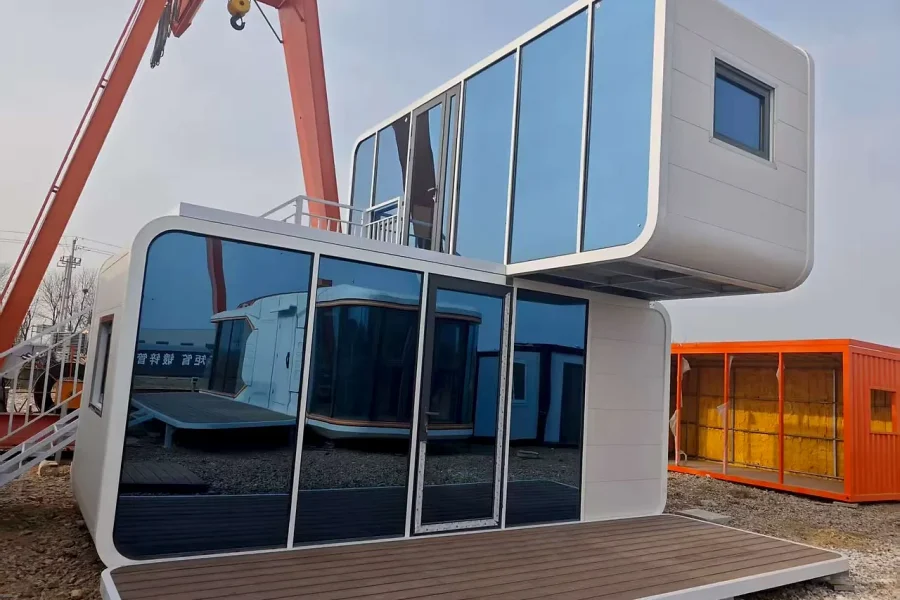
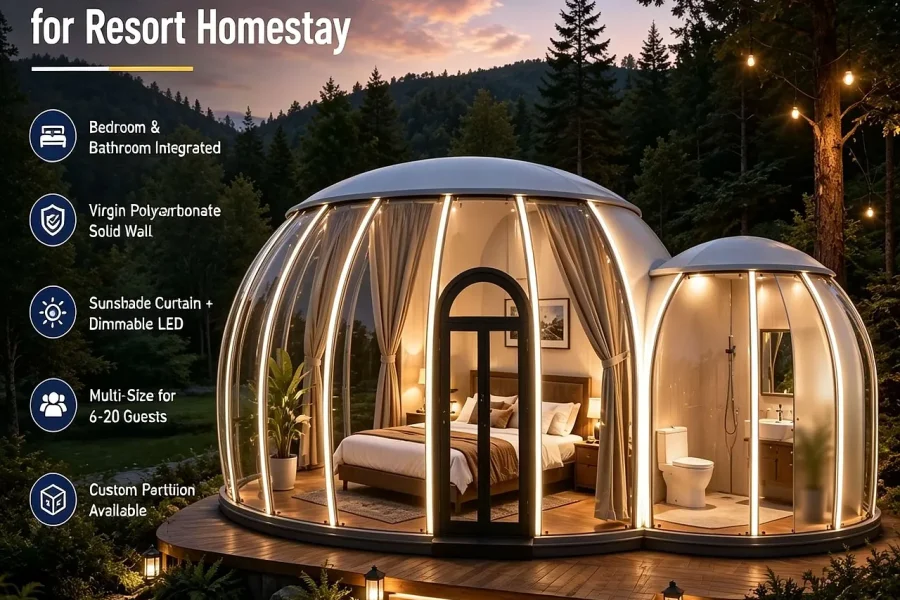
A 30 square metre pod with an en-suite typically needs 3 to 4 sold nights per week in season to service its capital cost inside five years.
Infrastructure is half the project
Power, water and waste connections per pitch often rival the pod cost on greenfield sites. Where mains services are absent, off-grid packages shift the cost into batteries and treatment units.
Access roads and hardstanding are next. A unit that cannot be reached by a delivery truck without a temporary track has a hidden line item larger than the pod itself.
Where operators gain margin
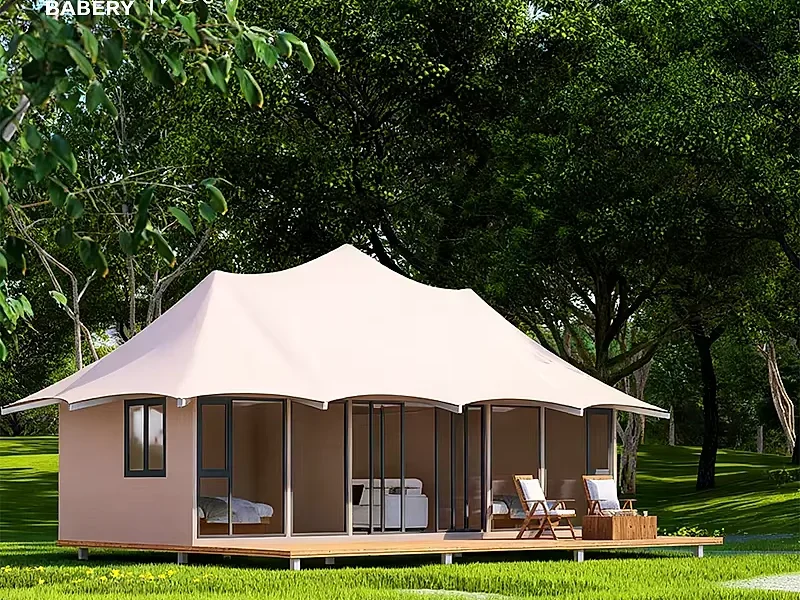
Length of stay is the quiet lever. Adding a kitchenette and a covered outdoor area lifts average stay from 2 to 3 nights, which cuts cleaning cost per night by a third.
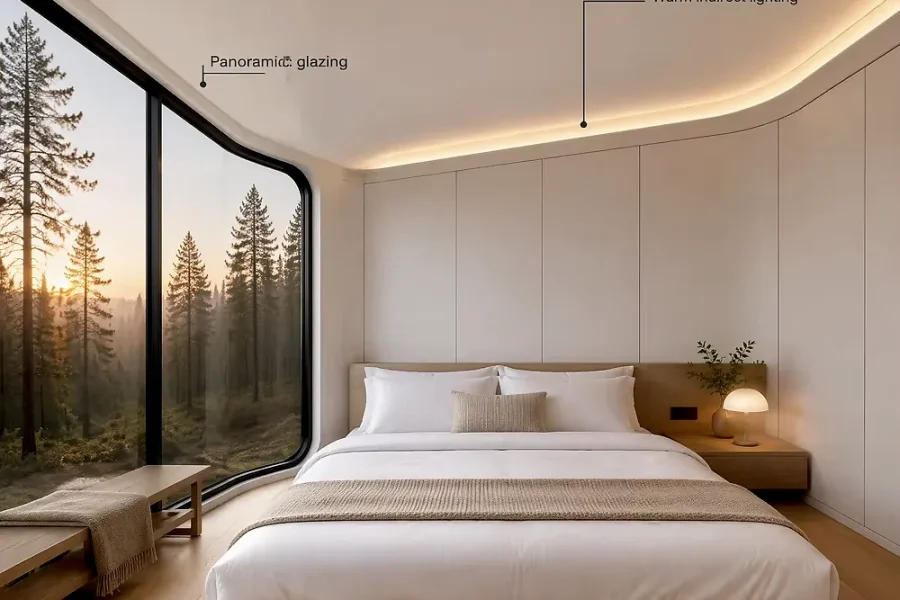
Off-season use matters too. Insulated units with heating extend the season by eight to twelve weeks in temperate markets, and that is often the difference between a marginal and a strong return.
Send us your location, target size and budget range. A project advisor will reply within one business day.
Priya Raman — Client Delivery Director
Runs the delivery desk: freight planning, port documentation and the partner installer network. Priya is usually the person answering a client question about site readiness.