Container-based buildings
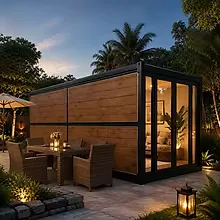
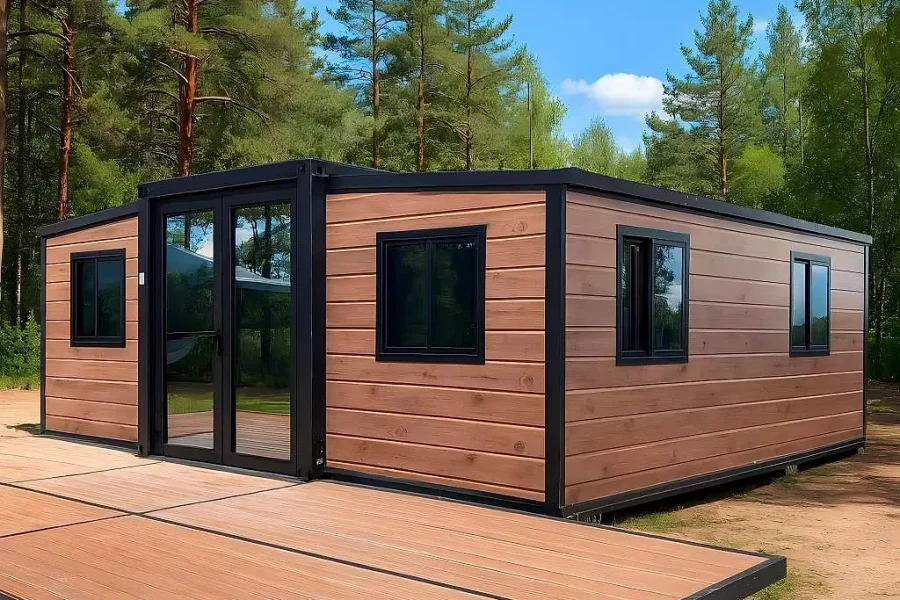
A shipping container is a steel frame with a known load path and standard twist locks. That makes it cheap to move and quick to stack, and it is why container units dominate remote hospitality projects.
- Containers win on freight and speed; modular wins on internal finish.
- Panelised kits cut freight cost furthest but move the most labour to site.
- Corrosion protection decides whether a container unit lasts 15 years or 40.
The constraint is the 2.4 metre internal width. Losing the corrugation with a spray lining gains a few centimetres but adds cost, and every cut in the original steel needs re-treatment.
Volumetric modular
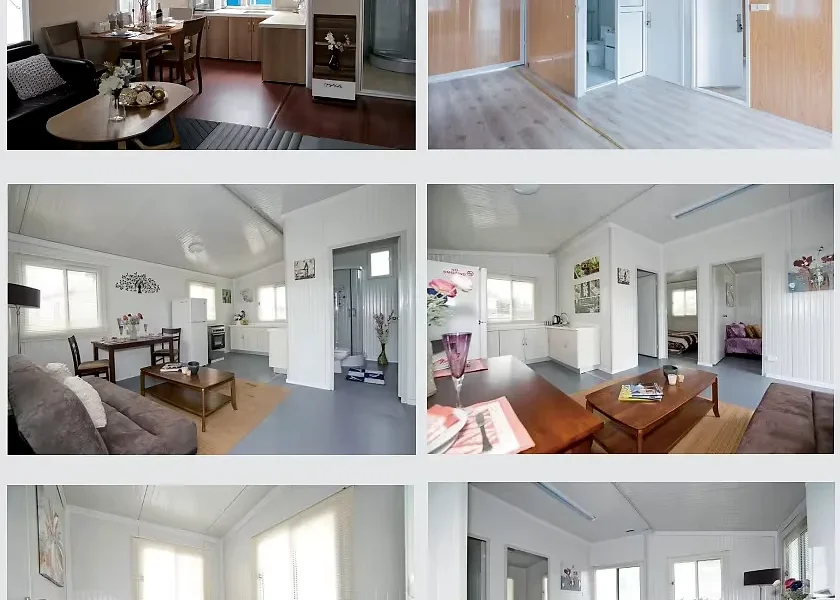
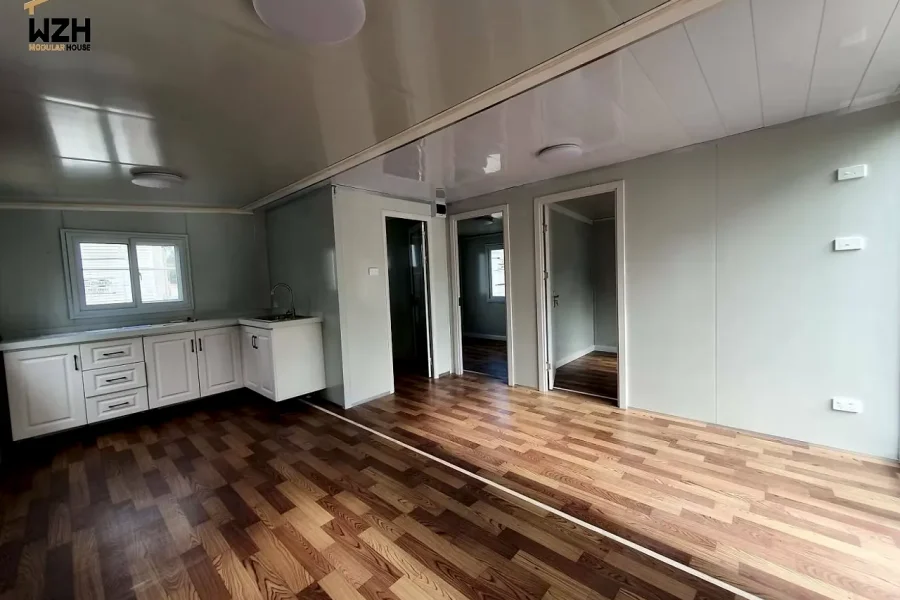
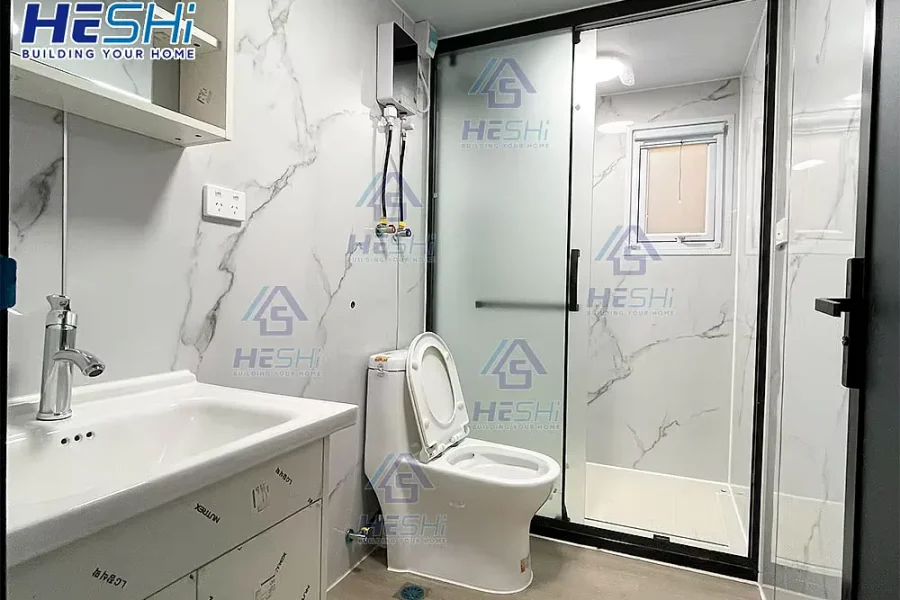
Modules arrive 80 to 95% complete, including bathrooms and MEP rough-in. Site time collapses to connection and commissioning, which matters when the site has no storage or the climate is hostile.
Volumetric transport is the expensive part: you are shipping air. Beyond about 400 kilometres inland, the freight penalty can exceed the labour you saved.
Panelised and flat-pack systems
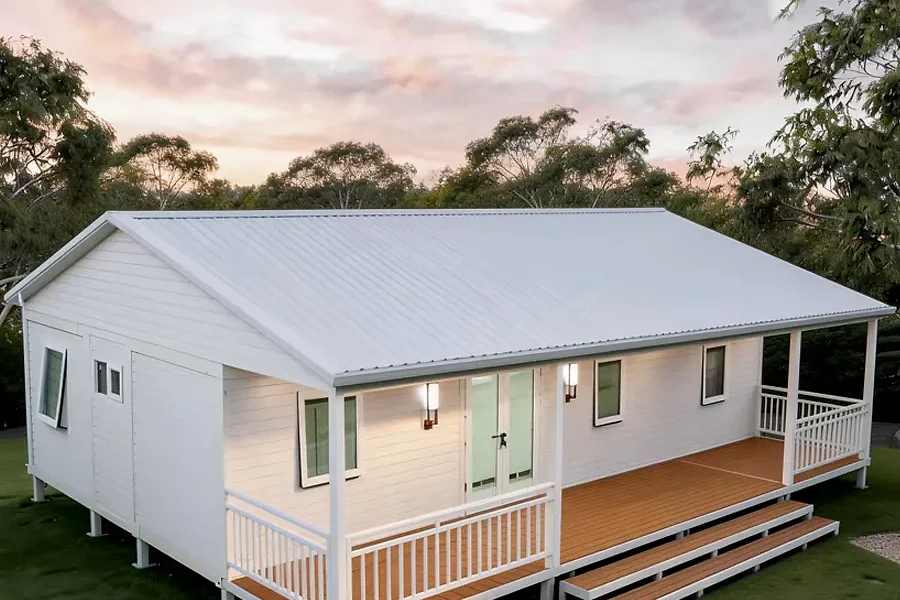
Flat-packed panels shrink to a fraction of the volume, so a complete house fits in one container. The trade is on-site assembly, typically three to ten days with a small crew and a telehandler.
This is the right answer for island markets, inland sites with poor road access, and buyers who already have a competent local builder.
Send us your location, target size and budget range. A project advisor will reply within one business day.

Priya Raman — Client Delivery Director
Runs the delivery desk: freight planning, port documentation and the partner installer network. Priya is usually the person answering a client question about site readiness.