Getting vapour control right
The rule reverses compared with cold climates: the barrier belongs on the outside, and the assembly must be able to dry inwards. Copying a northern wall build-up is the most common failure mode.
- In humid climates, keep vapour barriers on the outside of the assembly.
- Mechanical dehumidification is part of the building, not an appliance.
- Shading beats insulation for cooling performance.
Air conditioning creates a cold surface inside a hot, humid envelope. Every penetration in the air barrier becomes a condensation point, so airtightness detailing matters even more than insulation value.
Shade and ventilation
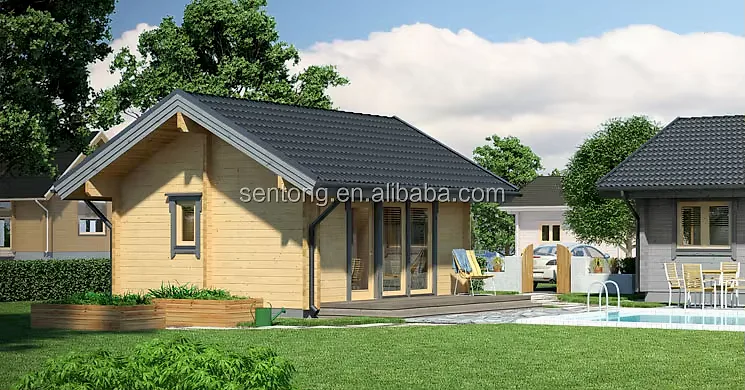
Deep eaves, a ventilated roof void and external shading remove solar gain before it reaches the envelope. On a lightweight prefab, this is often more effective than doubling insulation.
Cross-ventilation still works in humid climates for comfort, but it brings moisture in. The design goal is to control where that moisture condenses, or to remove it mechanically.
Dehumidification and commissioning
Size a dedicated dehumidifier for unoccupied periods. A unit closed up through the wet season with no moisture removal will grow mould regardless of how well it was built.
Commission with a moisture meter reading and record it. A baseline number at handover turns a future dispute into a simple comparison.
Send us your location, target size and budget range. A project advisor will reply within one business day.

Elena Marsh — Head of Design
Leads the design studio at Velaroom. Fourteen years detailing modular and volumetric housing for clients in Europe, North America and Australia, with a focus on layouts that survive a forty-foot container.